
There is nothing quite like a brand-new home. Everything is fresh, nothing is worn out, and you get to choose finishes that match your taste. It is easy to see why so many buyers fall in love with new construction. But that excitement can also lead to costly mistakes, because buying a home that does not exist yet is very different from buying a resale. The glossy model, the friendly sales office, and the promise of a move-in-ready dream can distract you from the details that matter most. Knowing the right questions to ask home builders before you sign protects your money and your peace of mind. Buyers exploring new construction homes in Killeen or comparing new construction homes for veterans should read this first.
New construction comes with unique risks that resale buyers never face: builder contracts written to favor the builder, upgrade pricing that balloons your budget, financing incentives with strings attached, and timelines that slip. None of this means you should avoid new construction. It simply means you should walk in informed. The buyers who get burned are rarely the cautious ones; they are the ones who assumed a brand-new home needed no scrutiny. Below are the most common mistakes buyers make, and exactly how to avoid each one before you put your name on a contract.
Why New Construction Is Different From Resale
When you buy an existing home, you can see and inspect exactly what you are getting. With new construction, you are often buying a promise based on a model home and a set of plans. The finishes in the model are frequently upgraded versions that cost extra; the lot may differ from the display, and the contract is drafted by the builder’s attorneys to protect the builder. This is not necessarily sinister, but it does mean the burden is on you to ask questions and verify details. Approach it with healthy curiosity, and you will uncover exactly what you are buying.
There is also the matter of timelines and market context. Construction can be delayed by weather, labor, and materials, and a home that was supposed to close in six months can stretch to nine. Understanding the broader pace of building through resources like the U.S. Census Bureau’s new residential construction data gives you realistic expectations. The more you understand going in, the fewer surprises you face along the way. And in a purchase this size, surprises almost always cost real money.
Mistake 1: Not Asking the Right Questions
The single biggest mistake new-construction buyers make is trusting the sales office without digging deeper. The friendly on-site agent works for the builder, not for you, so it is up to you to ask pointed questions before you commit. The best real estate agent who represents your interests can attend appointments with you and make sure nothing important is glossed over.
At minimum, make sure you get clear answers to these:
What exactly is included in the base price, and what is an upgrade?
Which finishes in the model home are standard, and which cost extra?
What is the realistic completion date, and what happens if it slips?
What warranty is provided, and what does it actually cover?
Are there mandatory homeowners association fees, and how much are they?
Who handles repairs discovered during the first year?
Write the answers down and get them in writing wherever possible. A verbal promise from a salesperson means little if it does not appear in your contract. The buyers who avoid trouble are the ones who treat the process like the major financial decision it is. A new home may feel like a lifestyle purchase, but it is first and foremost a contract worth hundreds of thousands of dollars.
Before you fall for the model home, remember that knowing the right questions to ask home builders is your best protection. A trusted realtor who represents you, not the builder, makes sure those questions actually get answered before you sign anything.
Mistake 2: Skipping the Upgrade Comparison
Builders often price the base home attractively, then make their margin on upgrades in the design center. It is easy to walk in for flooring and walk out having added tens of thousands of dollars in finishes. Some upgrades are worth every penny, while others are marked up far beyond what you would pay to add them later. The trick is knowing the difference before you sign.
Prioritize structural and hard-to-change upgrades that are difficult or expensive to add after the home is built, such as additional rooms, extra outlets, plumbing rough-ins, and window placement. Cosmetic upgrades like light fixtures, some flooring, and paint colors can often be done more affordably on your own timeline after closing. Comparing the builder’s upgrade prices to outside quotes helps you spend where it counts and skip where it does not. Spending wisely at the design center can save you thousands without sacrificing anything you will actually notice day to day. Buyers eyeing move-in-ready homes for veterans should weigh whether a completed inventory home already includes the upgrades they want at a better overall price.

Mistake 3: Trusting the Builder’s Lender Blindly
Builders frequently offer incentives if you use their preferred, in-house lender, and those incentives can be genuinely valuable. But they can also come with a higher interest rate or fees that quietly erase the savings. Never assume the builder’s lender is automatically your best option. Always get at least one competing quote from an outside lender so you can compare apples to apples.
Read every loan estimate carefully and compare the rate, the fees, and the total cost over the life of the loan, not just the flashy incentive. The Consumer Financial Protection Bureau’s guidance on owning a home explains how to read and compare loan offers so you are not swayed by a single number. For veterans, comparing the builder’s financing against a VA loan is especially important, since the VA benefit often wins on total cost. Buyers looking at new construction VA homes in Temple, TX, should make sure their financing choice actually serves them, not just the builder.
Mistake 4: Waiving Inspections
Because the home is brand new, many buyers assume an inspection is unnecessary. This is a costly myth. New homes can and do have defects, from plumbing and electrical mistakes to poor insulation and structural shortcuts that are invisible behind the walls. Hiring your own independent inspector, ideally at key stages such as before the drywall goes up and again before closing, can catch problems while they are still easy and cheap to fix.
A pre-closing walkthrough is not the same as a professional inspection. Insist on your right to bring in a qualified inspector, and take the punch list seriously. General homeowner guidance from the U.S. Department of Housing and Urban Development reinforces how important it is to verify a home’s condition before you take ownership. The small cost of an inspection is nothing compared to discovering a hidden defect after the warranty period has lapsed.
Mistake 5: Ignoring the Contract Fine Print
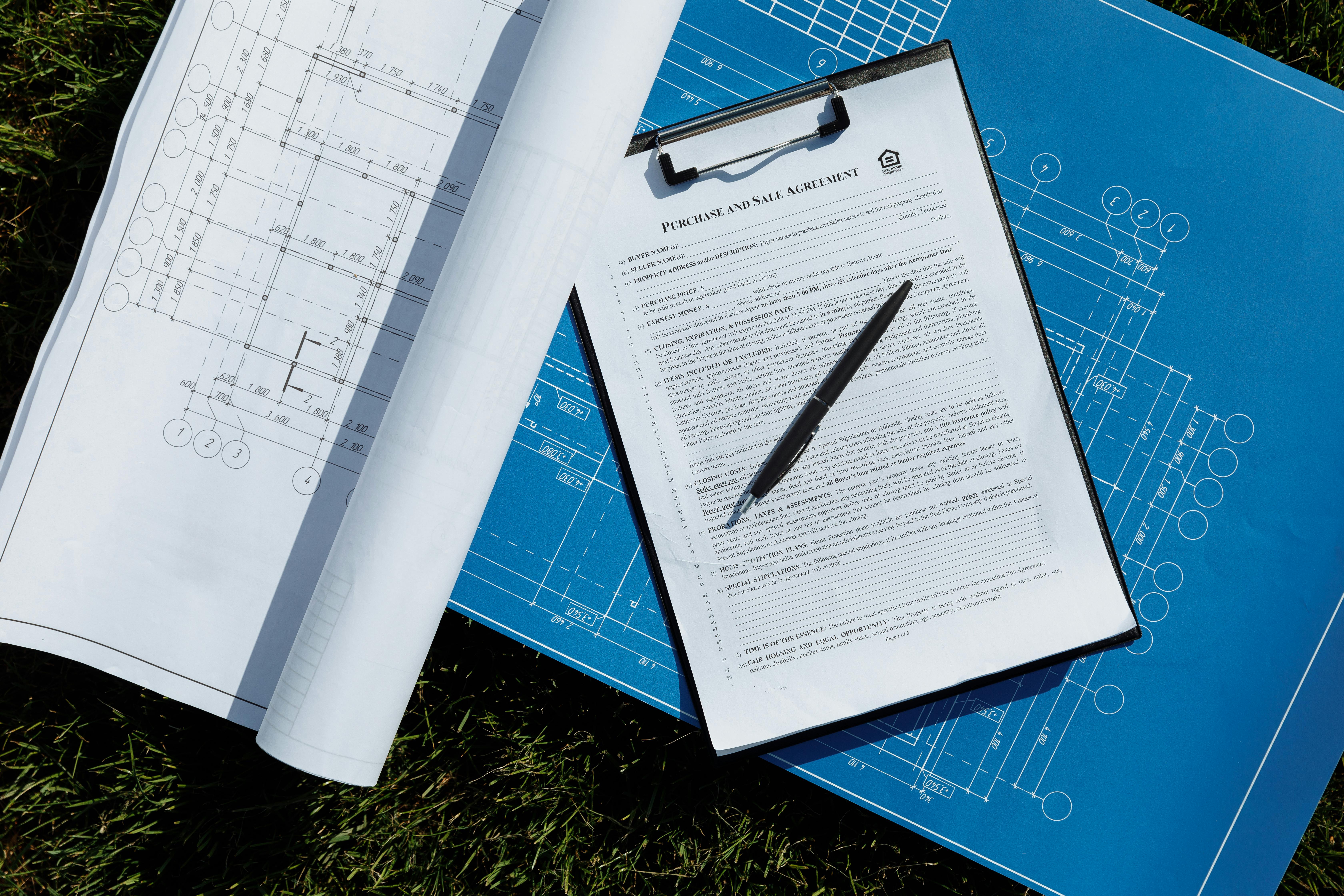
The builder’s contract is written to protect the builder, and it often contains clauses that surprise unprepared buyers. Delay provisions, upgrade change fees, limits on your ability to walk away, mandatory arbitration, and warranty exclusions can all be buried in the fine print. Never sign without reading every page and understanding what you are agreeing to. Consumer guidance from the Federal Trade Commission can help you recognize unfair terms and protect yourself.
Pay especially close attention to these areas before you sign:
Completion timeline and your remedies if the builder is late
Exactly what the warranty covers and for how long
Deposit terms and the conditions under which you could lose it
Change-order fees for any modifications after signing
Whether disputes must go to arbitration instead of court
Having an agent and, ideally, an attorney review the contract before you sign is one of the smartest moves you can make. The goal is simple: no surprises. When you understand every term up front, you can move forward with genuine confidence.
Understanding Builder Deposits and Incentives
New-construction deposits work differently from resale earnest money, and the difference can catch buyers off guard. Builders often require a larger deposit, and portions of it may become non-refundable once you make design selections or the build reaches certain stages. Before you write that check, understand exactly how much is at risk, when it becomes non-refundable, and under what specific circumstances you could get it back. This is not the place for assumptions, because the money involved is significant and rarely easy to recover.
Incentives deserve the same scrutiny. Builders may offer design-center credits, closing-cost help, or rate buy-downs, and some of these are genuinely valuable. Others are structured mainly to steer you toward the builder’s lender or to move slow-selling inventory. Always ask what a given incentive truly costs elsewhere in the deal. A generous-sounding credit tied to a higher price or a worse loan may leave you no better off, so weigh the whole package together rather than falling for any single sweetener. The best incentive is the one that lowers your total cost, not the one that simply sounds the most generous.

Choosing the Right Lot and Location
With new construction, you are often choosing a lot before the home even exists, and that choice matters more than many buyers realize. Corner lots, larger yards, and premium views usually carry lot premiums that add thousands to the price. Beyond cost, consider the practical factors: how the home will be oriented to the sun, how water drains across the property, and how much privacy you will actually have once the neighboring homes are finished. A great floor plan on a poor lot is still a lasting compromise.
Think hard about what will be built around you, too:
What is planned for the empty lots and land next to your home?
Will future phases add traffic, noise, or block a view you are paying extra for?
Where will amenities, roads, and any commercial development go?
How does the lot drain, and is it sitting at the low point of the street?
The sales office may not volunteer this information, so ask directly and, wherever possible, review the community’s master plan. Knowing what the neighborhood will actually look like in three years protects the value of the home you are buying today. The most desirable lot in a half-built community can look very different once every parcel around it is finally developed.
Timeline Expectations and Handling Delays
Construction timelines are famously optimistic. Weather, labor shortages, and material delays can push a completion date back by weeks or even months, and it happens far more often than sales offices like to admit. Build a generous buffer into your plans, and never give up your current housing until your new home has a firm, verified closing date. Families who cut it too close can suddenly find themselves without a place to live when a build unexpectedly slips.
Financing adds another timeline wrinkle. Interest-rate locks have expiration dates, and a long build can outlast your lock, exposing you to rate changes at the worst possible moment. Discuss extended lock options with your lender, and make sure you understand your remedies in the contract if the builder is significantly late. A little planning here prevents a delay from turning into a genuine crisis, and it keeps you in control of a process that is otherwise very easy to feel swept along by.
Builder Reputation and the Reality of Warranties
Not all builders are equal, and the finish quality, responsiveness, and warranty service you receive can vary dramatically from one company to the next. Before you commit, research the builder thoroughly. Read reviews from recent buyers in the same community, ask current homeowners about their experience, and pay special attention to how the builder handles problems after closing. A builder who is hard to reach during the sale rarely becomes more responsive once they already have your money.
Understand the warranty in detail, not just in summary. Know what is covered, for how long, and exactly how to file a claim if something goes wrong. Many new homes carry a one-year workmanship warranty with longer coverage on major systems and structure, but the specifics and the claims process vary widely. A strong warranty backed by a responsive builder is worth a great deal; a thin one backed by a company that ignores calls is worth very little, no matter how beautiful the home looks on move-in day. A warranty, after all, is only as good as the company standing behind it.
Frequently Asked Questions About New Construction
Do I need my own agent for new construction?
Yes. The on-site agent represents the builder, not you. Having your own agent typically costs you nothing and gives you an expert advocate who negotiates on your behalf, reviews the contract, and makes sure your interests are protected at every single step of the build. In a transaction where everyone else at the table works for the builder, that advocate is invaluable.
Is the price of a new home negotiable?
Often, yes, though builders negotiate differently than individual sellers. They may resist dropping the base price to protect community values but be willing to offer upgrades, closing-cost credits, or other incentives. Knowing where a builder will and will not bend is exactly where an experienced agent earns their value.
Should I really get an independent inspection?
Absolutely. New does not mean flawless. An independent inspection, ideally before the drywall goes up and again before closing, catches defects while they are still easy to fix. It is a small, wise investment that can save you from expensive headaches after the warranty period ends.
Can I use a VA loan for new construction?
In many cases, yes, and it can be an excellent choice for eligible buyers. The key is comparing the VA loan against any builder financing incentive based on total cost, not just the headline perk, so your benefit works for you rather than for the builder.
Build Your New Home Purchase on Solid Ground, With Us
New construction can be a wonderful choice when you go in with your eyes open. At The Myles Group, we represent your interests, not the builder’s, guiding you through every question, upgrade decision, inspection, and contract clause so you avoid the costly mistakes that catch unprepared buyers. Knowing the right questions to ask home builders is exactly the kind of expertise we bring to the table. Whether you want the best realtor in Killeen, TX, for buying a house or an experienced real estate agent to stand beside you at the design center, we are ready to help. Explore new listings on our home search, learn the process with our step-by-step buying guide, and contact us before you sign anything.